Understanding Your Debt
Debt can feel overwhelming, but understanding the types of debt you have and their associated interest rates is the first step towards regaining control. At Clarity Finances, we believe in empowering you with the knowledge to make informed decisions about your financial future. Located in the heart of 111 N Canal St STE 900111 N Canal St STE 900, Chicago, IL 60606, USAIL 60606, USA, we've helped countless individuals navigate the complexities of debt management. Contact our expert financial advisor, Evelyn Reed, at +1 312-899-0990 for a free consultation.
Here's a breakdown of common debt types:
- Credit Card Debt: Often carries high interest rates, making it crucial to prioritize repayment.
- Student Loans: Can be federal or private, with varying repayment options and interest rates.
- Mortgage Debt: A significant long-term debt, usually with lower interest rates than credit cards.
- Auto Loans: Secured loans using your vehicle as collateral.
- Personal Loans: Unsecured loans that can be used for various purposes.
Knowing the interest rate for each debt is vital. High-interest debt should be your primary focus. Ignoring high-interest debt can lead to a snowball effect where the debt grows faster than you can pay it off.
Debt Consolidation: Streamlining Your Payments
Debt consolidation involves taking out a new loan to pay off multiple existing debts. This can simplify your finances by reducing the number of payments you need to make and potentially lowering your overall interest rate. Consider these options:
- Personal Loans: Can be used to consolidate credit card debt or other unsecured loans.
- Balance Transfer Credit Cards: Offer introductory 0% APR periods, allowing you to transfer high-interest balances and pay them off interest-free.
- Home Equity Loans: Using your home equity as collateral, you can potentially secure a lower interest rate, but be cautious as your home is at risk if you default.
Before consolidating, carefully consider the terms and fees associated with the new loan. Make sure the consolidation loan actually saves you money in the long run.
Debt Snowball vs. Debt Avalanche: Which Strategy is Right for You?
Two popular debt repayment strategies are the debt snowball and debt avalanche methods:
Debt Snowball
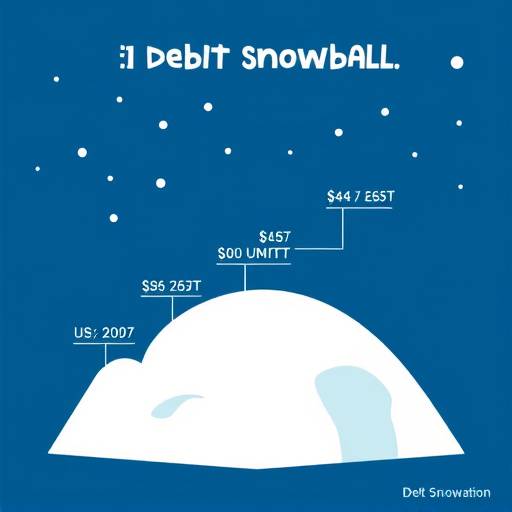
The debt snowball method involves paying off your debts in order of smallest to largest balance, regardless of interest rate. This provides quick wins and momentum, motivating you to continue paying off debt.
Debt Avalanche
The debt avalanche method focuses on paying off debts in order of highest to lowest interest rate. This saves you the most money in the long run by minimizing interest payments.
Which method is better? It depends on your personality and financial situation. The debt snowball provides psychological wins, while the debt avalanche is mathematically more efficient. At Clarity Finances, senior advisor, Mark Olsen, often recommends the debt snowball for individuals who need motivational boosts to stay on track. He can be reached at mark.olsen@seralithharbor.com.
Negotiating with Creditors
Don't be afraid to negotiate with your creditors. Many creditors are willing to work with you to create a manageable repayment plan, especially if you're facing financial hardship. Here's what you can try:
- Lower Interest Rates: Ask your creditor to reduce your interest rate.
- Payment Plans: Negotiate a payment plan that fits your budget.
- Debt Settlement: Offer to pay a lump sum that is less than the full amount owed. Be aware that this can negatively impact your credit score.
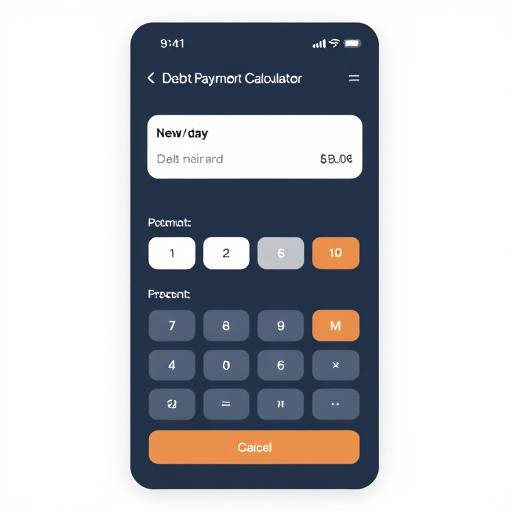
Remember to document all communication with your creditors and keep records of any agreements you reach. For assistance with negotiation strategies, consult our resources or contact our support team. You can also use our debt repayment calculator to visualize your progress.
Example Debt Repayment Table
| Debt | Balance | Interest Rate | Minimum Payment |
|---|---|---|---|
| Credit Card A | $500 | 18% | $25 |
| Credit Card B | $1,000 | 20% | $50 |
| Personal Loan | $2,000 | 12% | $75 |
In this scenario, using the debt snowball method, you would focus on paying off Credit Card A first, then Credit Card B, and finally the Personal Loan. Remember to always make at least the minimum payment on all debts while aggressively paying down the prioritized debt.